

Knowing Gutter Installation in Arkansas
Gutter installation is a vital part of residence protection, particularly in Arkansas where weather conditions can be unpredictable. Properly installed gutters help manage water runoff, avoiding damage to your residence’s foundation, walls, and roof. In Arkansas, where heavy rainfall and sudden storms are frequent, having a trusted gutter system is crucial. A standard gutter installation ensures that water is directed away from your building, reducing the risk of erosion, mold, and structural harm.
One of the key considerations to consider when selecting a gutter system is the warranty. A good warranty delivers peace of mind, ensuring that any issues with the installation or materials are addressed without extra costs. When selecting a gutter installation service in Arkansas, it’s important to work with professionals who understand local weather patterns and can recommend the right solutions for your home. This includes considering the type of gutters, materials used, and the overall design of the system.
Arkansas weather can vary significantly depending on the region. For example, Little Rock experiences heavy rainfall in the spring and summer, while Fayetteville’s mountainous terrain affects how water flows and how gutters need to be designed. Understanding these local conditions helps in making informed decisions about your gutter system. Whether you live in Springdale, Fort Smith, or another city in Arkansas, a well-planned gutter installation can protect your home for years to come.
What is the importance of a warranty in gutter installation?
A warranty ensures that any defects in materials or workmanship are covered by the installer. This means that if issues arise, such as leaks or damage, the company is responsible for fixing them. A strong warranty also reflects the confidence a professional has in their work, making it an important factor when choosing a service provider. For dependable Gutter Installation in Arkansas in Arkansas, AGM Gutters provides experienced guidance and practical solutions.
How does gutter installation contribute to home protection?
Properly installed gutters prevent water from accumulating around your home’s foundation, which can result in structural damage. They also guard your roof from water accumulation and lower the risk of mold and mildew. In Arkansas, where weather can be extreme, a trustworthy gutter system is a essential part of home maintenance.
Common Gutter Types Used in Arkansas
In Arkansas, homeowners have several options when it comes to gutter types. K-profile gutters are the most common choice due to their durability and ability to handle large volumes of water. These gutters have a shape that resembles the profile of a crown molding, making them both functional and aesthetically pleasing. They are often made from sheet metal or metal, which are suitable for the region’s weather conditions.
Curved gutters are another option, known for their traditional look. They are typically made from brass or sheet metal and are ideal for homes with a more classic design. While they may not hold as much water as K-profile gutters, they are still effective in managing runoff, especially in areas with moderate rainfall. However, they may require more frequent maintenance due to their open design.
Sheet metal gutters are popular in Arkansas because they are not heavy, corrosion-resistant and affordable. They are a good choice for homeowners looking for a budget-friendly solution without sacrificing quality. Metal gutters, on the other hand, are more sturdy and can withstand harsh weather conditions. However, they are bulkier and may require additional support during installation.
What are the advantages of K-style gutters in Arkansas?
K-style gutters are designed to store more water than other types, making them ideal for areas with heavy rainfall. Their shape allows for effective water drainage, reducing the risk of overflow. They are also offered in multiple materials, including sheet metal and metal, which are well-suited for Arkansas weather conditions.
How do half-round gutters differ from K-style gutters?
Curved gutters have a easier classic design and are often used in historic or traditional homes. They are uncovered at the top, which can make them easier to get clogged. K-shaped gutters, by contrast, have a deeper profile and are less prone to overflow, making them a better choice for areas with heavy rainfall.
Environmental Factors for Gutter Installation in Arkansas
Arkansas weather is recognized for its variability, with significant water flow, unexpected weather events and heat changes throughout the year. These circumstances can affect the function of your gutter unit, making it important to pick the right components and configuration. Comprehending the local precipitation habits and how they influence your home is key to making sure a long-lasting and productive gutter setup.
Rainfall in Arkansas can be especially strong in cities like Little Rock, where early season and hot season times often offer significant water fall. This means that gutters must be capable to deal with considerable amounts of liquid without overrunning. In Fayetteville, the mountainous terrain can cause water to flow away quicker, which may necessitate a unique technique to gutter positioning and drain configuration.
Storm harm is additional problem in Arkansas, especially during the first part of the year and mid-year seasons. Powerful winds and significant water can result in gutters to become loose or harmed, causing to fluid infiltration and possible framework issues. Selecting a robust gutter setup and working with a professional installer can assist reduce these dangers.
Temperature fluctuations in Arkansas can also influence the function of gutters. In the cold season, icy thermal levels can lead to water to stretch and likely harm the gutter system. In the summer, high heat can cause materials to grow and shrink, which may result to drips or other problems. Choosing elements that can tolerate these temperature shifts is essential for long-term performance.
In what way does Arkansas precipitation impact gutter placement?
Heavy water flow in Arkansas, especially in metropolitan areas like Little Rock, demands gutters that can deal with large amounts of liquid. This implies selecting the proper dimension and type of gutter to avoid overrun and water injury. Correct installation and regular care are also essential for guaranteeing that gutters function efficiently during moist phases.
What responsibility does temperature play in gutter performance?
Temperature fluctuations in Arkansas can cause materials to expand and contract, which may cause leaks or damage over time. Choosing materials that are resistant to these changes, such as aluminum or steel, can help guarantee that your gutter system remains operational and long-lasting throughout the year.
Top Materials for Gutter Installation in Arkansas
Choosing the proper choices for your gutter system is vital for long-term performance, especially in Arkansas where weather situations can be challenging. Aluminium is a well-liked option due to its lightweight features, corrosion-resistant features, and cost-effectiveness. It is perfect for the area’s precipitation and heat fluctuations, producing it a dependable option for many homeowners.
Steel gutters are another sturdy option, delivering increased strength and longevity. They are ideal for areas with substantial rainfall or regular gales, as they can withstand greater impact and impact. However, steel gutters may be more susceptible to corrosion if not adequately cared for, especially in the moist climate of Fort Smith.
Copper gutters are known for their aesthetic appeal and sturdiness. They are resistant to corrosion and can endure for many years with minimal maintenance. However, they are more expensive than other materials and may not suit every budget. Vinyl gutters are a budget-friendly choice, but they may lack the strength of metal choices and can grow fragile with age.
Which materials are best for Arkansas weather conditions?
Aluminum and steel gutters are well-suited for Arkansas weather due to their resilience and resistance to corrosion. They can deal with large amounts of rain and temperature fluctuations, making them a trustworthy option for residents. Copper gutters are also a good option for their longevity, though they cost more.
How does material choice affect gutter endurance? https://hedgedoc.ludos-disciplinarum-misi.fyi/2lY0bwQKQIC0B2hyBxe_Ew
The materials used in your gutter system substantially impact its longevity and effectiveness. Durable elements like aluminum and steel can handle the region’s environmental challenges, minimizing the need for ongoing fixes or replacements. Choosing the appropriate substance ensures that your gutter system continues functional for years to come.
The Gutter setup procedure in Arkansas
The gutter placement procedure in Arkansas includes several key steps to ensure a durable and effective setup. The primary phase is evaluating your home’s requirements, which involves evaluating the roof structure, roof pitch, and previous gutter solution. This helps determine the type and measurements of gutters required for optimal moisture handling.
Next, the installation group will calculate and cut the gutters to match your residence. Accurate assessment is vital to guarantee that gutters are placed properly and work efficiently. Once the gutters are shaped, they are fastened to the edge board using holders and bolts. The position of water pipes is also an important part of the method, as they direct water away from your home’s base.
Gutter protectors are commonly recommended to stop debris accumulation and minimize the requirement for often treatment. These covers come in different styles, such as mesh kinds, screen types, or broom types, and can be customized to your specific demands. They assist preserve the efficiency of your gutter solution while reducing support tasks.
After installation, the team will test the solution to ensure that water flows properly and there are none drips or obstacles. This last action is essential to provide that your latest gutter system is operating as intended and will supply long-term safety for your home.
What are the critical phases in skilled gutter placement?
Professional gutter setup involves evaluating your residence’s demands, calculating and shaping gutters, attaching them to the fascia board, placing downspouts, and checking the setup for proper operation. All phase is critical to provide that your gutters perform efficiently and last for long periods.
Why is downspout position key in Arkansas?
Drain pipe location is vital in Arkansas to ensure that water is led off from your home’s foundation. Precise position prevents rain from accumulating around the base of your house. This lowers the risk of land degradation and building injury. It also assists handle runoff in areas with strong rain, such as Little Rock and Fayetteville.
Price of Gutter Installation in Arkansas
The price of gutter installation in Arkansas can fluctuate depending on several factors, including the type of materials used, the size of your home, and the complexity of the installation. On average, homeowners can expect to pay between $3 and $10 per linear foot for professional installation. This range accounts for both materials and labor, with higher-end options like copper gutters costing more than aluminum or steel alternatives.
Material expenses also play a significant role in the overall price. Aluminum gutters are generally the most affordable option, while steel and copper gutters come at a higher price due to their durability and aesthetic appeal. Vinyl gutters are another budget-friendly choice, though they may not be as long-lasting as metal options.
Labor costs can change depending on the installer and the scope of the project. In cities like Springdale, where demand for gutter services is high, labor costs may be slightly higher. However, working with a reputable contractor ensures that the job is done correctly and efficiently, which can save money in the long run by reducing the need for repairs or replacements.
What factors impact the cost of gutter installation in Arkansas?
The cost of gutter installation in Arkansas depends on the type of materials used, the size of your home, and the level of the project. Labor costs can also vary depending on the installer and the region. Choosing the right materials and working with a professional can help ensure that you get the best value for your investment.
How does the average cost of gutter installation compare across cities in Arkansas?
The average cost of gutter installation in Arkansas is similar across cities, though there may be slight variations based on local labor rates and material availability. In cities like Fort Smith, where the climate is more humid, the cost of durable materials like steel or copper may be higher. However, the long-term benefits of a well-installed system often outweigh the initial investment.
Preserving Gutters in Arkansas
Regular upkeep is crucial for keeping your gutter setup in good working condition, particularly in Arkansas where heavy rainfall and debris buildup are frequent. The frequency of cleaning depends on the type of gutters you have and the surrounding environment. In areas with many trees, such as Fayetteville, gutters may require to be cleaned more often to stop clogging.
Cleaning gutters involves removing leaves, twigs, and other debris that can block water flow. This should be done at least twice a year, ideally in the spring and fall. In cities like Little Rock, where rainfall is more regular, residents may require to clean their gutters more often to avoid overflow and water damage.
Clogged gutters can lead to a variety of problems, including water pooling around your home’s foundation, roof leaks, and mold growth. Routine maintenance assists avoid these troubles and confirms that your gutter system functions as intended. It also extends the lifespan of your gutters, reducing the need for costly repairs or replacements.
How often should gutters be cleaned in Arkansas?
Gutters in Arkansas should be cleaned at least twice a year, typically in the spring and fall. In areas with heavy tree coverage, such as Fayetteville, more frequent cleaning may be necessary to prevent clogs. Regular maintenance ensures that your gutter system functions properly and protects your home from water damage.
What are the risks of not maintaining gutters in Arkansas?
Failing to maintain gutters in Arkansas can lead to water pooling around your home’s foundation, roof leaks, and mold growth. In cities like Springdale, where rainfall is common, neglecting gutter maintenance can result in significant damage over time. Regular cleaning and inspections help prevent these issues and keep your home protected.
Building Codes and Regulations for Gutters in Arkansas
Arkansas has particular building codes and regulations that govern gutter installation to confirm security and compliance. These codes vary by city, so it’s essential to inspect local ordinances before starting any job. In Little Rock, for example, there are guidelines on the size and placement of gutters to prevent water wear to neighboring properties.
Permits may be required for gutter installation, depending on the scope of the work. In cities like Fort Smith, property owners should reach out to local authorities to determine if a permit is necessary. This assists confirm that the installation meets all security standards and is approved by the relevant authorities.
Safety guidelines are also a key consideration in gutter installation. Correct installation techniques, such as using the right fasteners and making sure secure placement, are crucial to avoid accidents and damage. Working with certified professionals who understand local regulations helps ensure that your gutter system is installed correctly and safely.
Are permits required for gutter installation in Arkansas?
Permits may be required for gutter installation in Arkansas, depending on the city and the scope of the project. In cities like Fort Smith, homeowners should contact local authorities to determine if a permit is needed. This helps ensure that the installation meets all safety and building standards.
How do local building codes affect gutter installation in Arkansas?
Local building codes in Arkansas dictate the requirements for gutter installation, including size, placement, and materials. These codes help ensure that gutters are installed safely and effectively, preventing issues such as water damage and structural problems. It’s important to work with professionals who are familiar with these regulations to ensure compliance.
Signs Your Gutters Need Repair in Arkansas
Over time, gutters can develop issues that require repair, especially in Arkansas where weather conditions can be challenging. One of the most common signs is noticeable damage, such as cracks, dents, or sagging sections. These issues can lead to water leakage and potential damage to your home’s foundation.
Water harm around your residence is another indicator that your gutters may require attention. If you notice water pooling near your foundation or moisture on the walls, it could be a sign that your gutters are not functioning appropriately. This is especially frequent in areas with heavy rainfall, such as Little Rock and Fayetteville.
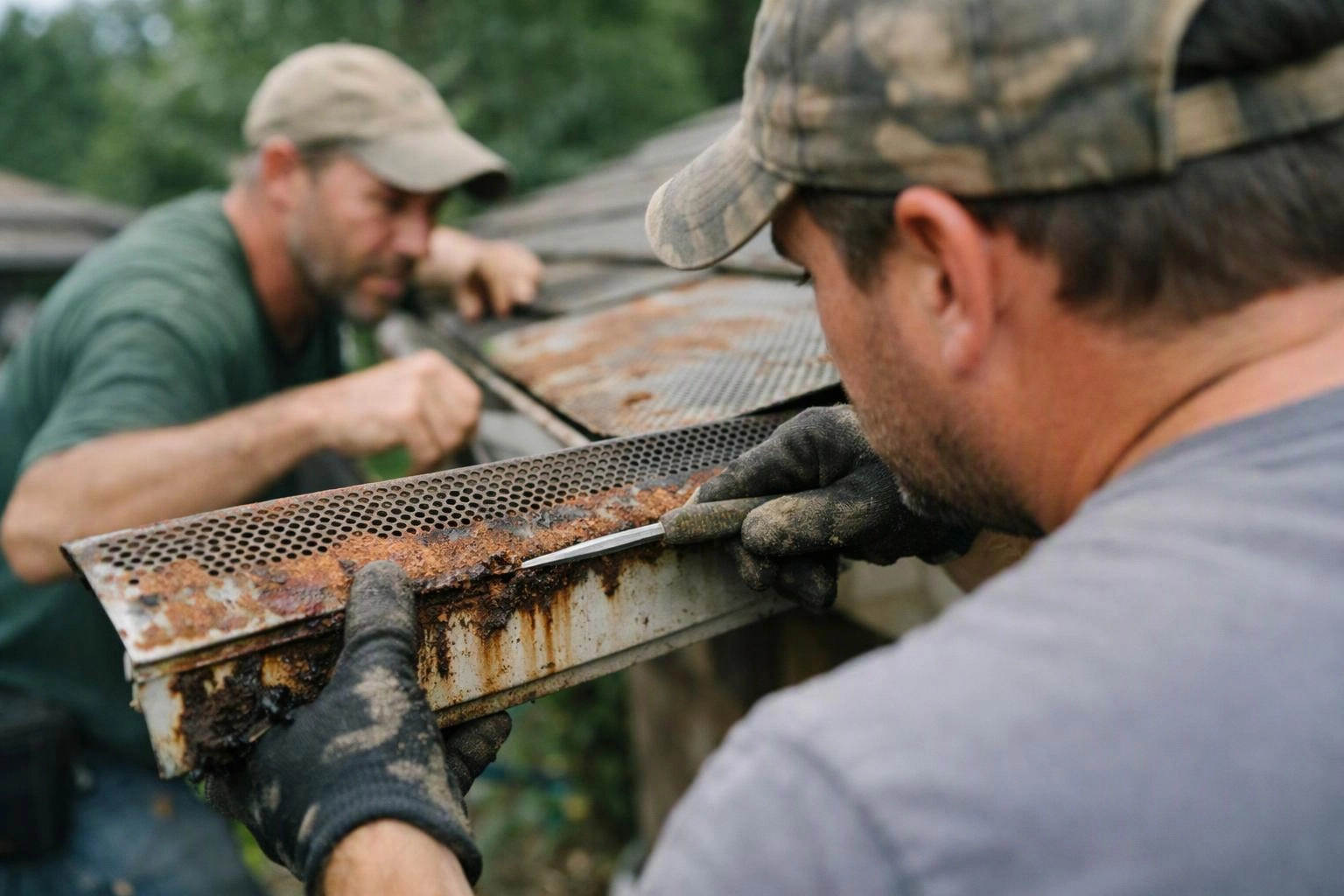
Leaks and corrosion are also indicators that your gutters may need repair. Leaks can lead to water infiltration, which can cause mold and structural wear. Corrosion, especially in steel gutters, can weaken the installation over time, making it less effective at managing water runoff. Consistent assessments can help identify these concerns early, allowing for timely repairs and avoiding further harm.
What are the signals that gutters need repair in Arkansas?
Signals that gutters need repair in Arkansas include visible damage such as cracks or sagging, water pooling around your home’s foundation, leaks, and corrosion. These problems can lead to water wear and structural troubles if not addressed promptly. Regular inspections can help identify these problems early.
How can gutter damage affect your home in Arkansas?
Gutter damage in Arkansas can lead to water pooling around your home’s foundation, roof leaks, and mold growth. In areas with heavy rainfall, such as Little Rock, these issues can cause significant damage over time. Prompt repairs help prevent further problems and protect your home from water-related issues.
FAQ
What are the most common types of gutters used in Arkansas?
The most common types of gutters used in Arkansas are K-style gutters and aluminum gutters. K-style gutters are popular due to their ability to handle large volumes of water, while aluminum gutters are favored for their durability and affordability. Other options include steel, copper, and half-round gutters, each with their own advantages and considerations.
How do climate conditions in Arkansas affect gutter installation?
Arkansas climate conditions, including heavy rainfall and temperature fluctuations, play a significant role in gutter installation. The region’s weather requires gutters that can handle large volumes of water and withstand extreme conditions. Proper installation and material selection are essential to ensure that gutters function effectively and provide long-term protection for your home.
What materials are best suited for Arkansas weather?
Aluminum and steel gutters are best suited for Arkansas weather due to their durability and resistance to corrosion. https://md.interhacker.space/yeW-gDp1R5iekj0mTXdBZg These materials can withstand the region’s rainfall and temperature changes, making them reliable choices for homeowners. Copper gutters are also a good option for their long lifespan, though they are more expensive. Vinyl gutters are a budget-friendly alternative, though they may not be as strong as metal alternatives.
What is the typical cost of gutter installation in Arkansas?
The common cost of gutter installation in Arkansas ranges from $3 to $10 per linear foot, depending on the materials and labor. Aluminum gutters are normally the most affordable option, while aluminum gutters come at a higher price. Labor costs can also vary by region, with cities like Springdale and Fort Smith having slightly distinct rates. Working with a qualified installer makes sure that the job is done properly and efficiently.
What are the steps involved in professional gutter installation?
Experienced gutter installation involves several key steps, including assessing your home’s needs, measuring and cutting the gutters, attaching them to the fascia board, installing downspouts, and testing the system for proper function. These steps ensure that your gutter system is installed correctly and can effectively manage water runoff, protecting your home from damage.
https://blogfreely.net/thingyogurt77/gutter-installation-in-conway-choosing-the-right-contractor