

Understanding Arkansas Climate and Its Impact on Gutters
Arkansas has a distinctive climate that influences everything from the types of plants that thrive to the materials used in home construction. When it comes to gutter installation, understanding the Arkansas climate is essential. The state experiences a warm temperate climate, characterized by high summer temperatures and gentle winters. This climate offers significant rainfall patterns, with an typical of 50 inches of rain annually. The rainfall can be strong and variable, especially during severe weather season, which typically runs from late spring to early fall.
Temperature variations also play a role in how gutters function. While summer temperatures can rise into the 90s, winter can bring freezing conditions that affect the materials used in gutter systems. Number of storms is another consideration; Arkansas is susceptible to thunderstorms, hail, and even the rare twister. These weather conditions can lead to storm damage, making it crucial for homeowners to install gutters that can resist the elements.
In Conway, the fusion of these climate factors means that gutters must be created to manage heavy water runoff and resist damage from both severe heat and cold. The local weather patterns also affect the types of materials that are most suitable for gutter installation. By grasping the Arkansas climate, homeowners can decide effectively about their gutter systems, making sure they deliver sustained protection for their homes.
Best Gutter Materials for Arkansas Weather Conditions
Selecting the right gutter material is a vital step in the gutter installation process. The materials used must be able to withstand the specific weather conditions found in Arkansas. Aluminum are the most typical alternatives, each with its own advantages and disadvantages.
Aluminum gutters are a popular option due to their lightweight and corrosion-resistant buildings. They are ideal for the humid subtropical climate of Arkansas, where mold and rust can be a concern. Steel gutters are more long-lasting and can manage heavy rainfall, but they are more prone to rust unless properly coated. Vinyl gutters are cost-practical and easy to set up, but they may not be as long-lasting in extreme weather conditions. https://doc.anagora.org/new Copper gutters offer a high level of durability and a unique aesthetic, but they can be costly and may call for more upkeep over time.
Each of these materials has its own strengths, and the best choice depends on the specific needs of the resident. In cities like Little Rock and Fayetteville, where the climate can vary significantly, the selection of gutter materials is often tailored to the area weather patterns. By weighing the Arkansas climate, property owners can make informed decisions about the materials that will best protect their homes.
Why Aluminum Gutters Are Popular in Conway and Little Rock
Aluminum gutters are especially popular in cities like Conway and Little Rock due to their weather resistance and durability. These areas experience a mix of heavy rainfall and temperature fluctuations, making aluminum an excellent choice for gutter installation. The material is lightweight, which makes it easier to tackle during installation, and it is resistant to rust and corrosion, ensuring long-term performance.
In Conway, where the average annual rainfall is around 50 inches, aluminum gutters provide an effective solution for managing water runoff. Their ability to withstand the humid subtropical climate makes them a reliable option for homeowners. Similarly, in Little Rock, where the climate is similar, aluminum gutters are often chosen for their ability to resist mold and corrosion. The weather resistance of aluminum gutters ensures that they can handle the challenges posed by Arkansas weather, making them a popular choice among residents.
Gutter installation Steps for Arkansas properties
Correct placement is important for making sure that gutters operate effectively in the Arkansas weather. The placement method consists of several important actions, commencing with calculating the home's boundary to figure out the right dimension and amount of gutters needed. This action is important for ensuring that the gutter system can manage the expected water runoff. https://pad.koeln.ccc.de/qAt5gzonSGePcb6dk0MZBg
Once the dimensions are taken, the next action is to install the gutters along the roofline, ensuring they are correctly placed and secure. Downspouts are then placed to guide water away from the property's base, avoiding water harm and erosion. Incline modification is another critical process, as gutters must be set up at a minimal inclination to ensure effective water drainage and stop accumulation.
In towns like Conway, where the weather can be variable, following these setup actions carefully is vital for long-term effectiveness. The method must consider for area climate, ensuring that the gutter setup can deal with the problems posed by Arkansas precipitation and heat variations. By complying these steps, residents can guarantee that their gutters offer successful security for their homes.
Climate-Specific Gutter maintenance in Arkansas
Caring for gutters is just as important as installing them, especially in a climate like Arkansas. Frequent upkeep helps prevent issues such as clogging, leakage, and water damage. In the fall, it's essential to clear gutters to eliminate leaves and debris that can impede water flow. This is especially important in cities like Fayetteville, where the hilly terrain can influence water runoff and raise the risk of clogging.
Spring is another vital time for gutter care. Homeowners should examine their gutters for indications of damage, such as cracks or loose fasteners. This is also a ideal opportunity to check for any damage caused by winter weather, confirming that the gutter system is in optimal condition for the upcoming storm season. In areas like Springdale, where the population is increasing, regular maintenance becomes even more important to stop water-related issues.
In addition to periodic cleaning, homeowners should also consider their local weather patterns when designing a maintenance schedule. In Conway, for example, the combination of heavy rainfall and temperature fluctuations suggests that gutters may require greater frequency inspections. By being proactive with maintenance, homeowners can guarantee that their gutter systems continue to function effectively, safeguarding their homes from the effects of Arkansas weather.
Building Regulations and procedures for Gutters in Arkansas
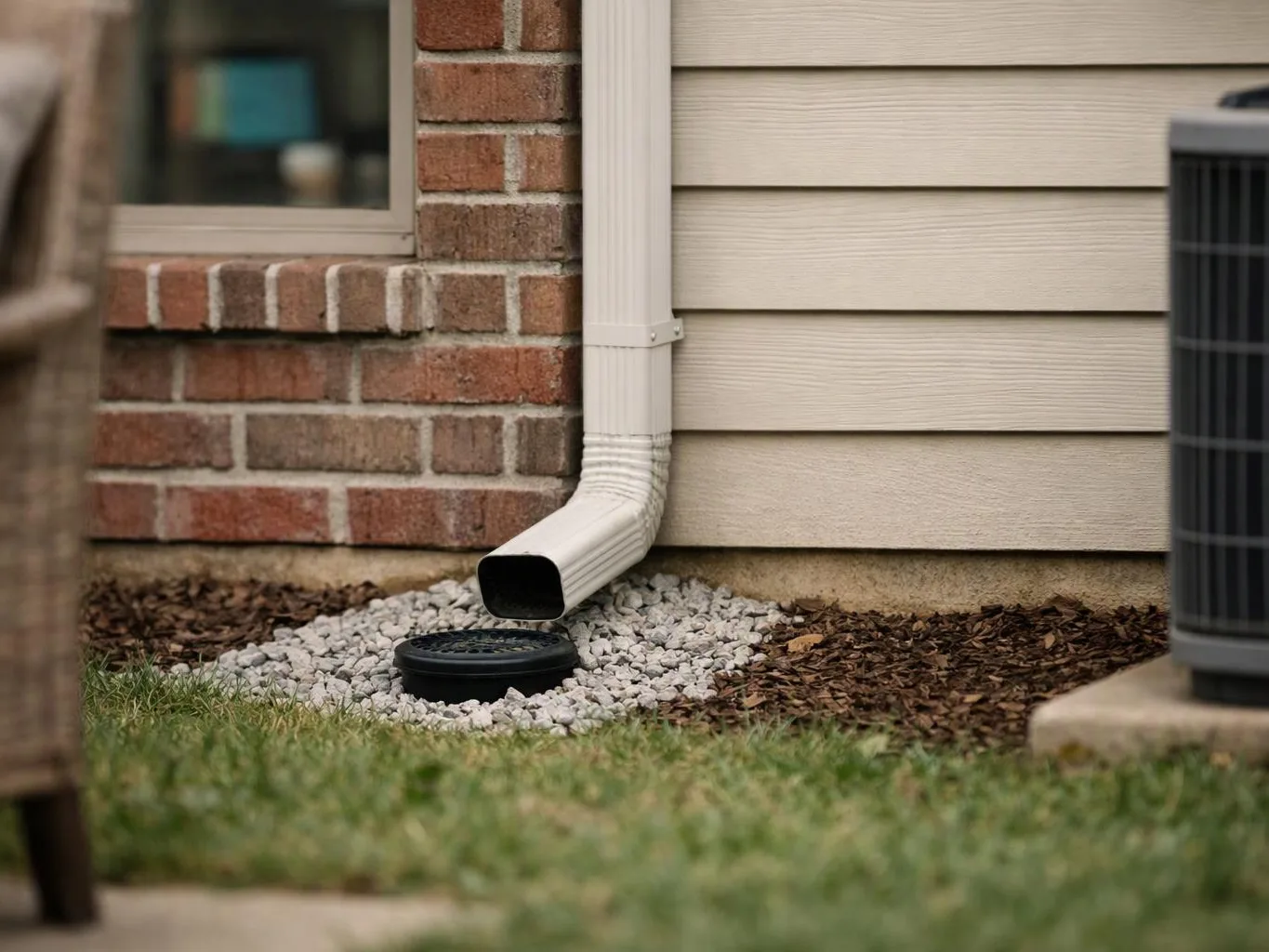
Building codes and guidelines have a significant function in gutter placement, ensuring that systems satisfy security and function requirements. In Arkansas, the regional rule details particular requirements for gutter installation, covering supply requirements, gradient guidelines, and water management approaches. These codes are designed to protect residences from moisture harm and ensure that gutters function effectively in the area climate.
Conway guidelines and local regulations also influence how gutters are installed. These rules may vary by town, so it's crucial for residents to verify with regional officials before beginning any placement. In towns like Little Rock, where the environment can be more intense, more guidelines may be active to guarantee that gutters can handle the anticipated precipitation and storm movement.
Understanding these building standards and guidelines is critical for homeowners looking to place or fix their gutters. By complying the standards set by Arkansas state regulation and area ordinances, property owners can guarantee that their gutter units are secure, successful, and aligned with regional requirements. This is particularly crucial in areas like North Little Rock, where the mix of strong rainfall and city expansion can generate unique problems for gutter systems.
Common Gutter issues in Arkansas and Methods to Prevent Them
Despite good placement and maintenance, gutter concerns can still occur, especially in a weather like Arkansas. Blockage is one of the most usual concerns, often resulting from by foliage, limbs, and other material that gather in the gutters. This can cause water overflow, which may lead to damage to the covering, walls, and base of the dwelling.
Deficiency is another challenge that homeowners in Arkansas may face, mainly during severe rainfall or weather situations. Moisture intrusion can arise due to worn gutters, unsecured attachments, or faulty installation. In urban areas like Rogers, where the weather can be variable, it's essential to regularly check gutters for symptoms of wear and tear.
Water damage is a critical concern, especially in locations with high rainfall. Inadequately functioning gutters can lead to water gathering around the foundation, which can lead to structural loss over period. In Bentonville, where the residents is growing, the chance of water destruction is higher due to increased growth and modifications in the regional water flow systems.
Preventing these issues calls for a fusion of frequent service and correct setup. By addressing problems soon, homeowners can steer clear of costly fixes and ensure that their gutters continue to operate effectively. In regions like Pine Bluff, where the climate can be even extreme, forward-thinking steps are increasingly crucial to protect homes from the effects of Arkansas weather.
Gutter Installation Costs in Arkansas: What to Expect
The price of gutter installation in Arkansas can change depending on several factors, including the type of components used, the size of the home, and the complexity of the setup. On average, homeowners can expect to pay between $3 and $10 per linear measure for gutter installation, with the overall price depending on the specific needs of the project.
In Conway, the typical expense of gutter setup is influenced by the area conditions and the kinds of components that are most commonly used. Aluminum gutters are often a popular choice due to their sturdiness and affordability, making them a viable option for homeowners desiring to equalize standards and economy. In urban areas like Fayetteville, where the land can affect rainwater flow, the setup procedure may require extra measures, which can affect the overall cost.
Supply expenses also play a significant role in the overall cost of gutter installation. Plastic gutters are usually the least expensive option, while metallic gutters can be significantly more expensive. Steel gutters lie between affordability and resilience, supplying a compromise between expense and durability. Homeowners should consider their long-term needs when selecting supplies, as the upfront expense may be balanced by the endurance and effectiveness of the gutter installation.
Gutter Installation Services in Conway and Nearby Locations
For homeowners in Conway and adjacent regions like Little Rock, Fayetteville, and Springdale, professional gutter installation solutions are available to ensure that their units are installed accurately and efficiently. These solutions often include a selection of choices, from choice option to placement and care, giving residents with a full answer for their gutter needs.
AGM Gutters is an such company that supplies dependable gutter installation support in the region. With a emphasis on standards and customer pleasure, AGM Gutters gives answers that are tailored to the unique requirements of Arkansas properties. Their experience in dealing the difficulties posed by the regional environment makes sure that residents get a gutter unit that is and productive and long-lasting.
In towns like Jonesboro and North Little Rock, where the weather might change greatly, professional setup are particularly crucial. These solutions assist ensure that gutters are set up accurately, taking into account local climate patterns and building standards. By partnering with knowledgeable experts, residents may maintain calm of thought realizing that their gutter units are in well management.
FAQ
What are the most usual types of gutters applied in Arkansas?
Aluminum, steel, vinyl, and copper gutters are the most common varieties applied in Arkansas. Each resource has its own merits, with aluminum being popular for its sturdiness and ability to rust. Steel is chosen for its power, while vinyl is a economical choice. Copper gutters are commonly selected for their aesthetic charm and lasting functionality.
How do climate factors in Arkansas impact gutter setup?
The weather in Arkansas, with its great water and cold variations, plays a major part in gutter setup. Residents should select resources that can endure these conditions, ensuring that gutters might deal with significant liquid drainage and resist damage from extreme climate. Correct setup is also important to prevent problems like clogging and dripping.
What substances are most appropriate for Arkansas weather?
Aluminum gutters are a widely used in Arkansas due to their weather resistance and durability. They are not heavy and can handle the state's humid subtropical climate. Steel gutters are also appropriate for their strength, while vinyl gutters offer a cost-effective solution. Copper gutters are ideal for their longevity and aesthetic appeal, though they can be costlier.
What is the average price of gutter installation in Arkansas?
The usual expense of gutter installation in Arkansas ranges from $3 to $10 per linear foot, based on the materials used and the complexity of the installation. In cities like Conway, the cost may change based on local climate conditions and the specific needs of the homeowner. Professional installation services frequently supply a comprehensive solution, ensuring that gutters are set up properly and efficiently.
What are the processes involved in professional gutter installation?
Professional gutter installation involves several key steps, including measuring the home's perimeter, picking the appropriate materials, installing the gutters along the roofline, adding downspouts, and changing the slope to ensure proper water flow. These steps are essential for ensuring that the gutter system works properly, safeguarding the home from water damage and other weather-related issues.