

Gutter setup is a critical component of residence protection in Arkansas, where the local environment can have a significant impact on a home's building integrity. Whether you're a property owner in Little Rock or Central Arkansas, understanding the importance of proper gutter installation is important. From the kinds of gutters present to the supplies best suited for the area, this article details everything you need to know about gutter installation in Arkansas. For trustworthy Gutter Installation in Arkansas in Arkansas, AGM Gutters delivers skilled support and effective solutions.
Why Gutter installation Matters in Arkansas
In Arkansas, the conditions can be changeable, with sudden rainfalls and high humidity levels that can result to liquid injury if not properly managed. Gutter setup plays a vital role in directing precipitation away from your residence, avoiding problems such as base erosion, basement overflow, and roof injury. Without successful gutter networks, even a reasonable quantity of rain can cause significant harm to your property.
Property security in Arkansas is not just about appearance or convenience—it's about defending your property. The correct gutter mounting ensures that water is effectively guided away from your home's ground, reducing the risk of expensive repairs. In areas like Little Rock, where seasonal rain reaches around 50 feet, the value of a well-constructed gutter system cannot be overstated.
Weather effect in Arkansas is a factor that every homeowner must reflect. Sudden storms, heavy precipitation, and high dampness can all lead to water build-up around a residence. A adequately installed gutter system assists reduce these risks, guaranteeing that your residence stays waterproof and protected. This is especially true in Mid Arkansas, where the moist tropical weather implies that dampness can stay for long spans, boosting the requirement for reliable water removal options.
Common Gutter Types Used in Arkansas
When it comes to gutter installation in Arkansas, there are several types of gutters to choose from, each with its own advantages. The most common options include aluminum, vinyl, and steel gutters. Lightweight gutters are popular due to their easy-to-handle nature and resistance to rust, making them a good fit for the local climate. Plastic gutters are also a common choice, offering economic value and straightforward installation.
Iron gutters are another option, though they are less commonly used in Arkansas due to their susceptibility to rust if not properly maintained. However, some homeowners prefer steel gutters for their durability and strength. The choice of gutter type often depends on the individual demands of the home, including the overhang, weather patterns, and financial constraints.
In addition to the material, the layout of the gutter system also plays a role in its performance. https://skyscrapperwiki.site/wiki/How_to_Evaluate_10_Benefits_of_Professional_Gutter_Installation_in_Arkansas_Essential_Standards_Outlined_2026 Unbroken gutters, which are custom-fitted to a home, are often preferred in Arkansas for their capacity to stop water intrusion and reducing the need for frequent repairs. These systems are typically made from lightweight material or copper, offering a balance of durability and performance.
Understanding the different gutter types available in Arkansas can help homeowners make informed decisions about their home improvement projects. Whether you're looking for a cost-effective solution or a durable solution, the right gutter type can make a big difference in protecting your home from liquid intrusion.
How Arkansas Climate Affects Gutter Installation
The Arkansas climate has a direct impact on gutter installation, influencing the choice of materials, the design of the system, and the frequency of upkeep. With its humid subtropical climate, Arkansas experiences hot, humid summers and mild winters, which can affect the efficiency of gutter systems over time. High humidity levels can lead to condensation buildup, while heavy rainfall can cause clogs and overflow if gutters are not appropriately installed.
Appropriate gutter installation in Arkansas requires careful consideration of the area climate. For example, in areas like Little Rock, where annual rainfall averages around 50 inches, gutters must be designed to handle large volumes of water. This often means using larger downspouts and confirming that the setup is correctly sloped to allow for efficient water flow. In contrast, in drier regions of the state, the focus may be more on preventing water accumulation during occasional heavy storms.
Weather resistance is a key factor in selecting the right gutter system for Arkansas. Materials that can withstand the region’s humidity and temperature fluctuations are crucial. Aluminum and vinyl gutters are commonly preferred for their ability to resist rust and warping, while steel gutters may need additional coatings or servicing to prevent corrosion.
As the climate in Arkansas continues to evolve, so too must the approaches to gutter installation. Property owners and professionals alike must stay informed about area weather patterns and adjust their installation strategies accordingly to confirm long-term efficiency and protection.
Impact of Heavy Rainfall in Central Arkansas
Central Arkansas is known for its heavy rainfall, which can pose challenges for homeowners and gutter installers alike. The region experiences frequent thunderstorms and prolonged periods of rain, making it crucial to have a well-designed gutter system that can handle large volumes of water. In places like Little Rock, where the average annual rainfall is around 50 inches, the risk of water damage is higher, and proper installation is essential.
During heavy rainfall, gutters must be able to efficiently channel water away from the home. This calls for a setup that is not only appropriately sized but also installed with the correct slope and drainage. In Central Arkansas, where the ground can become saturated rapidly, the risk of water pooling around the foundation is major. A well-installed gutter installation helps avoid this by directing water away from the home and into proper drainage areas.
Residents in Central Arkansas should also be aware of the likely for clogs caused by leaves and debris. These can lead to overflow and water harm, specifically during periods of heavy rain. Consistent upkeep and the use of gutter guards can support mitigate these risks, ensuring that the system continues to function effectively even in the most challenging weather conditions.
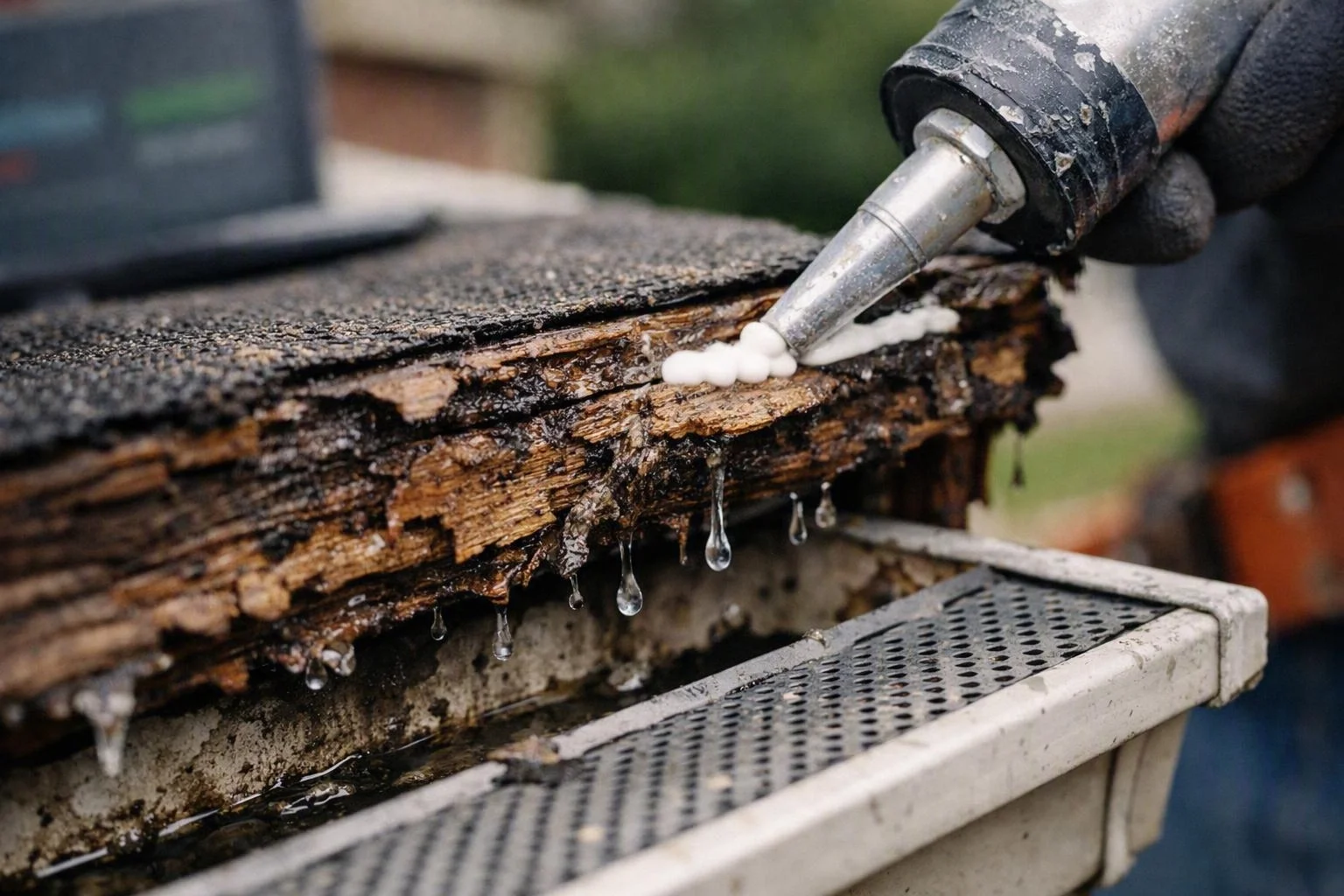
Appropriate installation is the first step in ensuring that gutters can handle the demands of Central Arkansas’ climate. By working with experienced professionals and using the right materials, residents can shield their homes from the damaging effects of heavy rainfall.
Dealing with Humid Conditions in Little Rock
Little Rock experiences high humidity levels throughout much of the year, which can affect the performance of gutter systems. Humidity can lead to condensation buildup, especially in areas with poor ventilation, which can cause rust and deterioration over time. This is particularly important for metal gutters, which are more susceptible to corrosion in humid environments.
Proper gutter installation in Little Rock must account for the region’s humidity levels. This includes selecting materials that are resistant to rust and corrosion, such as aluminum. These materials are better suited for the local climate and require less frequent maintenance compared to steel or other less durable options.
Maintenance is also a key factor in ensuring the longevity of gutter systems in Little Rock. Regular cleaning and inspection can help prevent clogs and identify potential issues before they become major problems. In humid conditions, it's especially important to check for signs of rust or mold, which can indicate underlying issues with the system.
Homeowners in Little Rock should also consider the location of their gutters. Ensuring that downspouts direct water away from the home’s base can help prevent water accumulation and reduce the chance of flood damage. This is especially important in areas with humid conditions, where even minimal quantities of pooling water can lead to ongoing problems.
Best Choices for Gutter Installation in Arkansas
Picking the correct options for gutter installation in Arkansas is vital for guaranteeing sustained operation and resilience. The area’s weather, which contains high humidity and regular rainfall, calls for options that can withstand these circumstances without decaying over period.
Aluminum gutters are a common option in Arkansas due to their lightweight attribute and resistance to rust. They are also relatively simple to set up and service, resulting in them a practical selection for residents. However, they may not be as durable as other choices and can be vulnerable to bumps if not correctly set up.
Vinyl gutters are another popular option, offering economy and simplicity of setup. They are unaffected to corrosion and decay, making them ideal for the region’s damp situations. However, they may not be as robust as aluminum or steel and can be increasingly prone to injury from intense climates.
Steel gutters are famous for their power and resilience, making them a fine option for homeowners who emphasize sustained functionality. However, they are increasingly susceptible to oxidation and require extra service to avoid decay. This makes them a lower suitable selection for regions with elevated moisture, such as Little Rock.
When choosing options for gutter installation in Arkansas, it's crucial to consider the specific requirements of your property and the area weather. By selecting the correct choices, you can guarantee that your gutter unit stays functional and dependable for years to come.
Cost of Gutter Installation in Arkansas
The cost of gutter installation in Arkansas can vary depending on several factors, including the type of materials used, the size of the home, and the complexity of the installation. On average, homeowners can expect to pay between $3 and $10 per linear foot for professional gutter installation, with the total expense ranging from $1,500 to $5,000 for a typical home.
Material choice plays a significant role in determining the overall expense. Aluminum gutters are generally more affordable than steel or copper, making them a popular choice for budget-conscious homeowners. Vinyl gutters are also a cost-effective option, though they may not offer the same level of durability as other materials.
Installation complexity can also affect the price. Homes with unique rooflines or difficult access points may require additional labor, which can increase the overall expense. In areas like Central Arkansas, where heavy rainfall is common, the need for larger downspouts and additional support may also add to the installation expense.
While the initial price of gutter installation may seem high, it's important to consider the long-term benefits. A properly installed gutter system can help prevent costly water damage, reducing the need for repairs and maintenance over time. This makes it a valuable investment for any homeowner in Arkansas.
Professional Gutter setup
Professional gutter installation in Arkansas involves a series of steps designed to ensure that the installation is both functional and sturdy. https://neolatinswiki.site/wiki/Understanding_Gutter_Installation_in_Arkansas_Selecting_the_Right_Regional_Contractor_Core_Considerations_and_Actionable_Advice The workflow generally begins with an assessment of the property’s roofline and drainage calls for. This supports determine the appropriate type and size of gutters, as well as the number of downspouts required.
Once the design is finalized, the installation crew will begin by securing the gutters to the roof using brackets and screws. Proper slope is crucial to confirm that water flows efficiently toward the downspouts. In Arkansas, where heavy rainfall is typical, the slope must be carefully calculated to prevent water from pooling or overflowing.
After the gutters are installed, the downspouts are connected and positioned to direct water away from the home’s foundation. This is a critical step, as improper placement can lead to water accumulation and potential damage. In areas like Little Rock, where annual rainfall is high, the placement of downspouts is especially important for maintaining a dry and protected home.
Finally, the installation team will conduct a thorough check to ensure that everything is functioning correctly. This includes checking for leaks, verifying the slope, and confirming that the system is properly connected. A well-installed gutter system can provide years of reliable operation, helping to protect your home from water damage.
Gutter Cleaning and Service in Arkansas
Maintenance and cleaning are vital features of gutter maintenance in Arkansas, where the region’s environment can affect the operation of the device. Regular upkeep assists prevent obstructions, spills, and other issues that can result in flood damage. Property owners should target clean their gutters at minimum twice a year, especially after periods of significant precipitation or leaf accumulation.
During the maintenance process, it’s essential to remove debris such as leaves, branches, and dirt that can accumulate in the gutters. This not only supports stop clogs but also ensures that water flows without restriction through the setup. In locations like Central Arkansas, where rainfall is regular, frequent cleaning is particularly crucial to preserve the effectiveness of the gutter system.
In addition to care, homeowners should also examine their gutters for signs of wear. This includes reviewing for leaks, rust, or buckling sections that may show a need for maintenance. In Little Rock, where humidity levels are high, it’s also vital to look for indications of fungus or condensation that could show underlying concerns with the setup.
Regular upkeep can extend the duration of a gutter system and minimize the need for costly repairs. By staying proactive with cleaning and inspections, homeowners can ensure that their gutters continue to work effectively, preventing their homes from moisture damage.
Arkansas Building Codes for Gutter Installation
Arkansas has particular building codes that govern gutter installation, ensuring that all systems meet security and effectiveness standards. These codes are designed to protect homeowners by requiring proper sizing, positioning, and deployment of gutter systems. Compliance with these regulations is crucial for any professional gutter installation in the state.
One of the critical requirements in Arkansas is the proper sizing of gutters based on the roof area and area-specific rainfall patterns. This ensures that the system can handle the volume of water generated during heavy storms. In areas like Fort Smith, where periodic thunderstorms are common, the code requires gutters to be installed with sufficient capacity to avoid overflow and water damage.
Another vital aspect of the building code is the placement of downspouts. They must be located to lead water away from the home’s foundation, lowering the risk of dampness buildup and foundation damage. This is particularly important in regions with elevated humidity, such as Little Rock, where standing water can lead to prolonged issues.
Homeowners and professionals alike must be aware of these building codes when designing a gutter installation. By complying with the regulations, they can provide that their systems are both functional and in line, delivering long-term protection for their homes.
FAQ
What are the most common types of gutters used in Arkansas?
The most common types of gutters used in Arkansas include steel, plastic, and steel. Steel gutters are popular for their durability and protection to corrosion, while vinyl gutters are a affordable option. Metal gutters are fewer prevalent due to their tendency to rust but are sometimes used for their power.
How do climate conditions in Arkansas affect gutter installation?
The climate in Arkansas, including significant humidity and regular rainfall, affects gutter installation by impacting the choice of components and the layout of the system. Proper installation must consider the region’s environmental patterns to guarantee that gutters can handle severe rainfall and stop water damage. https://roadwiki.site/wiki/Professional_Gutter_Installation_Services_in_Arkansas
What components are ideal for Arkansas weather?
Components that are ideal for Arkansas weather include aluminum and vinyl, which are resistant to rust and corrosion. These materials are appropriate for the region’s humid conditions and can offer long-term performance with little maintenance.
What is the standard expense of gutter installation in Arkansas?
The typical cost of gutter installation in Arkansas spans from $3 to $10 per linear foot, with the total cost for a standard home falling between $1,500 and $5,000. This can differ based on the variety of materials used and the level of the setup.
What are the steps involved in professional gutter installation?
Professional gutter installation involves evaluating the home’s needs, selecting the appropriate materials, placing the gutters with proper slope, connecting the downspouts, and performing a concluding review. This ensures that the installation is operational and meets area building codes.